Septic Services in Atlanta, Georgia

Maintenance, inspection, repairs and replacement planning for residential and commercial properties.

Septic Services in Atlanta, GA

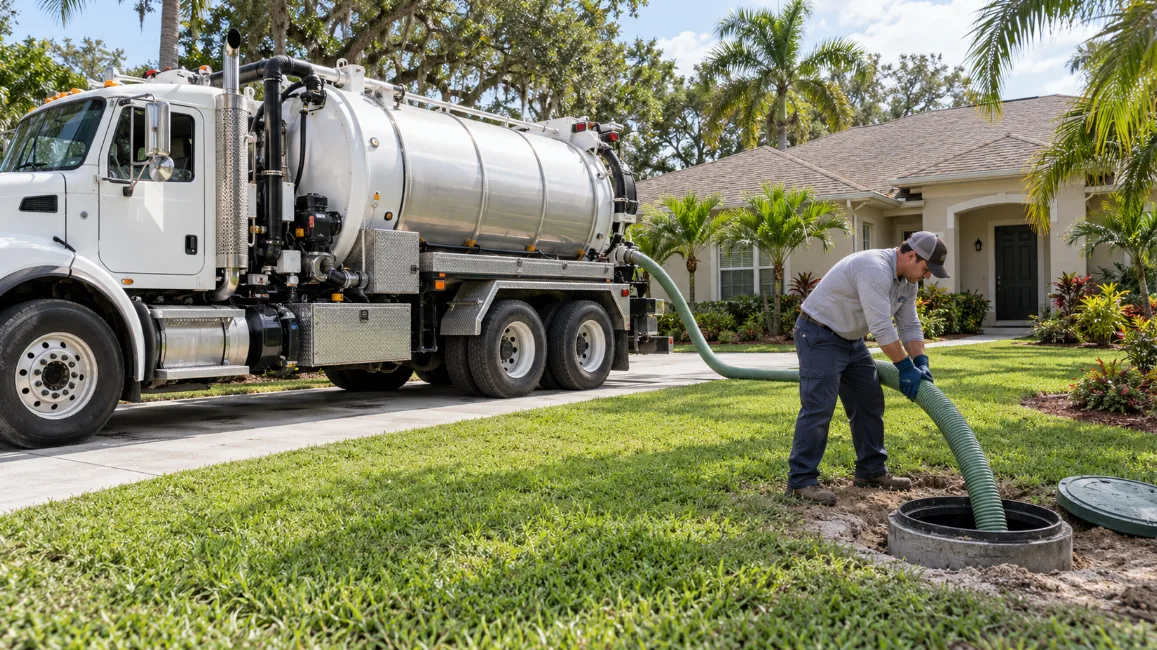
Illustration of a septic pumping truck at a residential property

Septic Tank Services

Routine care, a recurring backup or a new system: each starts with a clear scope and the property’s actual needs.

01

Septic Tank Pumping

Remove built-up sludge and floating waste before they reach the drain field. Atlanta-area homes may have 1,000-, 1,250- or 1,500-gallon tanks; the actual permit record guides the service. We check accessible inlet and outlet components and explain when a recurring backup needs more than pumping.

Explore Septic Service
02

Septic Tank Cleaning

Cleaning deals with deposits left after bulk waste removal. Confirm whether the scope includes a wash-down, pumping and disposal. Older concrete surfaces and lightweight shells need suitable methods. Heavy grease waste and commercial systems require their own cleaning plan.

Explore Septic Service
03

Septic Tank Inspection

Review waste levels, accessible components, records and signs of tank or field trouble. A real-estate inspection needs a clear written scope. In Atlanta, older systems, added bedrooms and changes to the yard deserve attention. A private inspection is different from county permit approval.

Explore Septic Service
04

Septic Tank Repair

Repair can address a damaged lid, tee, filter, connection or dosing component without replacing every part. Structural tank damage calls for a different assessment. Atlanta-area repairs and replacements require the appropriate county permit and inspection before the system is returned to service.

Explore Septic Service
05

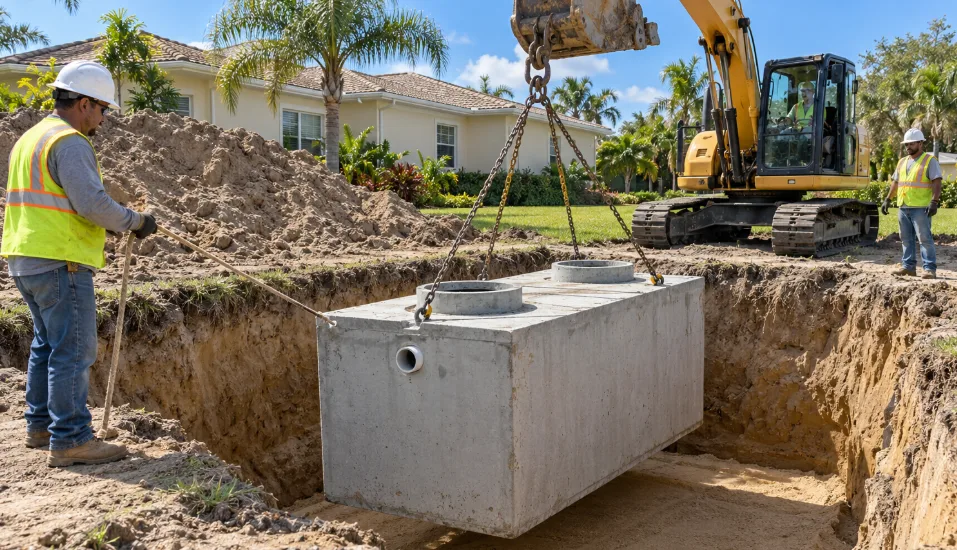
Septic Tank Installation & Replacement

Plan the tank and drain field for the property's bedrooms, usable soil, slope and sewer availability. Georgia's residential tank baseline starts at 1,000 gallons for one through four bedrooms. County Environmental Health reviews the application, soil information and proposed layout before installation.

Explore Septic Service
06

Emergency Septic Pumping

Sewage backing into fixtures, surfacing wastewater or a high-water alarm needs prompt assessment. Reduce water use and keep people away from the affected area. Pumping may help when safe, but rain-soaked ground, pump failure and plumbing obstructions can require a different response.

Explore Septic Service

A Clear Plan for Your Septic System.

Get a Free Estimate